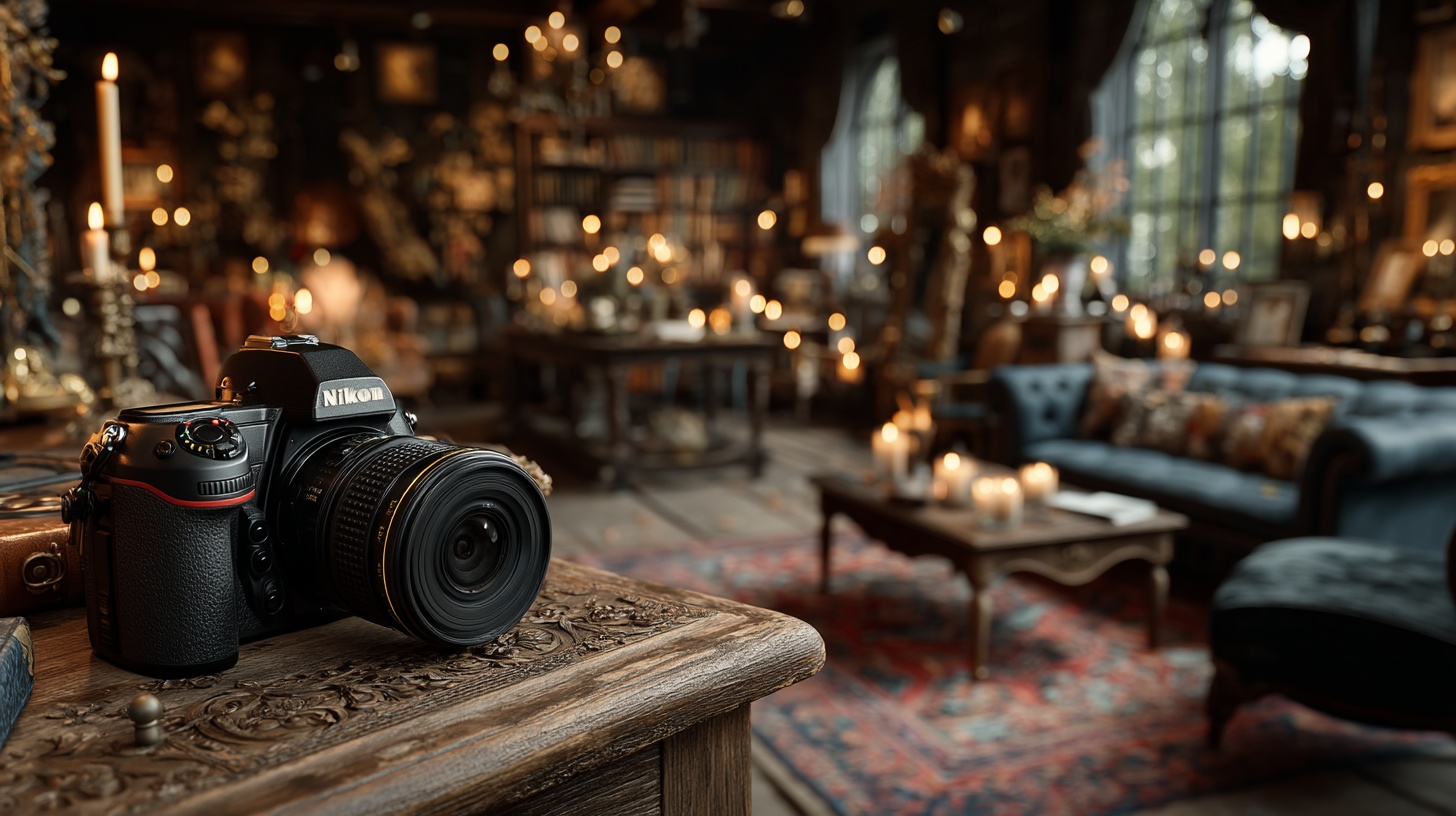
Creating the perfect photography studio requires more than just a room and some gear. It involves designing a space that fosters creativity, optimizes workflow, and ensures a comfortable experience for both you and your clients. Whether you’re setting up at home or in a commercial space, the right design choices will elevate your work and streamline your sessions. If you aim to offer the best product photography New York, for example, your studio setup will be key.
From lighting to storage, every element should be planned to maximize efficiency. Here are five crucial considerations for building a functional and inspiring studio environment.
1. Choosing the right space
The first step is selecting a location that suits your specialty. In a city like New York, your choice of neighborhood can define your studio’s vibe. While a small room in Astoria may work for product or headshot photography, high-end fashion and portrait work often thrive in the industrial-chic lofts of SoHo or DUMBO, where large windows and ample floor space allow for complex setups. Ideally, look for a space at least 15×20 feet to allow for flexible shooting angles.
Ceiling height and open space
High ceilings are a major advantage, allowing for better light control when using large softboxes or boom arms — a feature commonly found in converted warehouses in Bushwick or Long Island City. An open layout with minimal obstructions also helps prevent unwanted shadows and reflections.
Natural vs. controlled light
Natural light is a great asset but can be unpredictable. If you are setting up a Product Photography Studio NYC with windows overlooking the skyline or Central Park, use blackout curtains or diffusion panels to maintain consistency. Many photographers prefer windowless rooms to have total control over artificial setups.
Location and accessibility
For a home studio, choose a quiet area away from daily household distractions. For commercial spaces, consider client accessibility. Being near a major hub like Union Square or Grand Central makes it easier for clients and models to reach you via public transit, though you must also consider noise levels from the busy streets below.
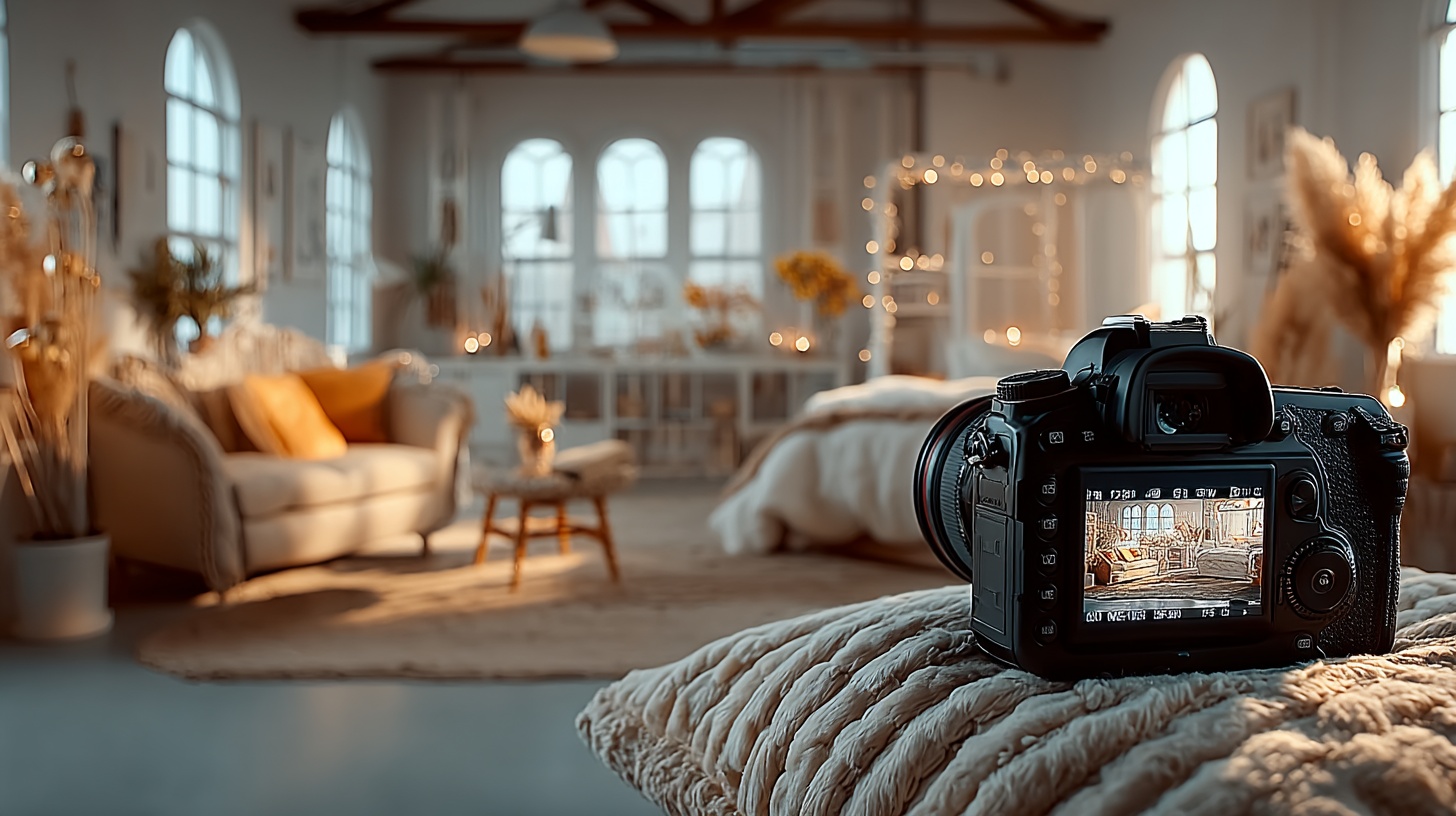
2. Lighting setup and control
Lighting is the backbone of studio work. Understanding how to manipulate it is key to achieving your desired aesthetic:
- Strobes vs. continuous lighting: Strobes are powerful and perfect for freezing motion, while continuous lights allow you to see how shadows fall in real time.
- Modifying light: Use softboxes, umbrellas, and reflectors to shape your light. Soft light is generally preferred for portraits, while hard light creates dramatic contrast.
- Managing ambience: Use black V-flats or flags to block stray light and prevent unwanted color casts.
- Power needs: Ensure you have enough outlets to support your equipment. Use surge protectors to keep your gear safe and cables organized.
3. Backgrounds and props
Your choice of backdrops and props dramatically impacts the mood of your photos. A well-equipped studio should offer variety to suit different projects.
Seamless paper rolls provide a clean, professional look and are easily replaced, while fabric backdrops add texture. Install wall-mounted holders to save floor space. Additionally, keep a curated selection of chairs, stools, and decorative elements that align with your brand — whether you focus on newborn, fashion, or product photography.
4. Organization and workstation
A cluttered studio hinders productivity. Use shelves, cabinets, or rolling carts to keep cameras and lenses safe but accessible.
You also need a dedicated editing workstation. A high-quality monitor, ergonomic chair, and color-calibration tools ensure your post-processing is accurate. Don’t forget the client experience: provide a comfortable waiting area with a mirror and refreshments. Finally, use cable organizers to eliminate tripping hazards and keep the floor tidy.
5. Ventilation and climate control
Studios can heat up quickly due to powerful lighting equipment. Air conditioning or high-quality fans are essential to keep subjects from becoming uncomfortable or sweaty during a shoot.
Good ventilation also clears dust and odors, which is especially important if you use smoke machines or aerosols. In basement or garage setups, consider a dehumidifier to protect sensitive camera gear and paper backdrops from moisture damage.